


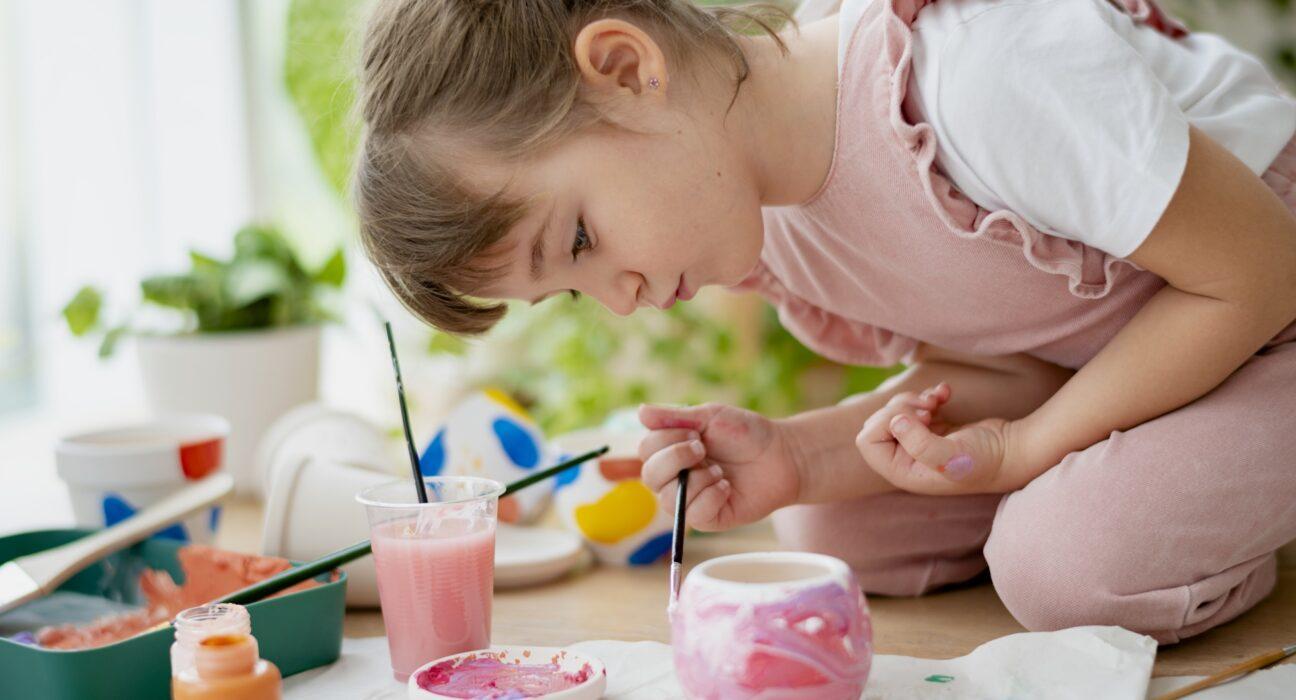
Creativity isn’t an exceptional talent given to a lucky few; it’s something every child is born with. From the moment they can grab a crayon or build a tower of blocks, children are natural creators. They see possibilities where adults see limits, and they turn everyday moments into adventures.
But as kids grow, that bright spark of imagination can fade under the weight of schedules, schoolwork, and the pressure to “do things right.” The real challenge for parents isn’t to teach creativity; it’s to protect and nurture it.
Here are simple, joyful ways to keep that creative spark glowing bright.
1. Let Curiosity Lead the Way
When your child asks “why?” for what feels like the hundredth time, take a breath — and smile. Each question is an open door to learning. Instead of giving quick answers, turn the question around: “What do you think?” or “Let’s find out together.”
Curiosity fuels creativity. Every question helps your child learn how to explore, wonder, and think for themselves — the first steps to lifelong creativity.
2. Celebrate Mistakes as Part of the Process
Kids quickly pick up the idea that being “right” matters more than being original. But real creativity happens when it’s okay to mess up. If the paint spills off the page or the story takes a silly turn, that’s not failure — that’s freedom.
Applaud the effort, not just the end result. Remind your child that even the best inventors and artists made lots of “mistakes” before they found their magic.
3. Make Space for Imagination
A creative space doesn’t need to be fancy; it just needs to invite exploration. Set up a cosy corner with crayons and paper, a box of old clothes for dress-up, or a kitchen counter where kids can mix and experiment.
Keep materials handy — blocks, storybooks, musical instruments, or even recycled boxes — and give your child the freedom to make, unmake, and remake their creations.
4. Limit Screens, Expand Real Play
Technology can inspire, but too much screen time can shrink imagination. Encourage your child to explore the real world instead — to climb trees, build forts, make mud pies, or daydream.
Unstructured play is where problem-solving, storytelling, and creative thinking naturally bloom.
5. Fill Their World with Inspiration
Take your child to a local art show, a children’s theatre performance, or a live concert. Read poetry aloud. Listen to music from around the world. These experiences stretch their imagination and introduce them to new ideas and cultures.
But remember, creativity isn’t just in the arts. It’s also in science experiments, building LEGO structures, or inventing a new game. Every subject can spark creativity.
6. Be Their Creative Role Model
Kids learn most from what they see. When parents draw, write, cook, garden, or dream out loud, children understand that creativity isn’t just for kids; it’s a lifelong joy.
Share your own creative moments: write a family poem, make up a silly song, or cook dinner without a recipe. When you show creativity, your child feels free to explore theirs.
7. Trust Their Journey
Every child’s creative path looks different. Some fill sketchbooks, others build gadgets or tell endless stories. What matters most isn’t perfection — it’s joy.
Trust the process. Give them time, space, and encouragement, and their imagination will grow in ways you could never predict.
Final Thoughts
Nurturing creativity isn’t just about raising future artists. It’s about raising confident thinkers, problem-solvers, and dreamers. In a world that often rewards fitting in, creativity is how kids learn to stand out, speak up, and see endless possibilities.
When we protect that spark in our children, we’re not just helping them express themselves; we’re helping them imagine a brighter, more creative future for everyone.