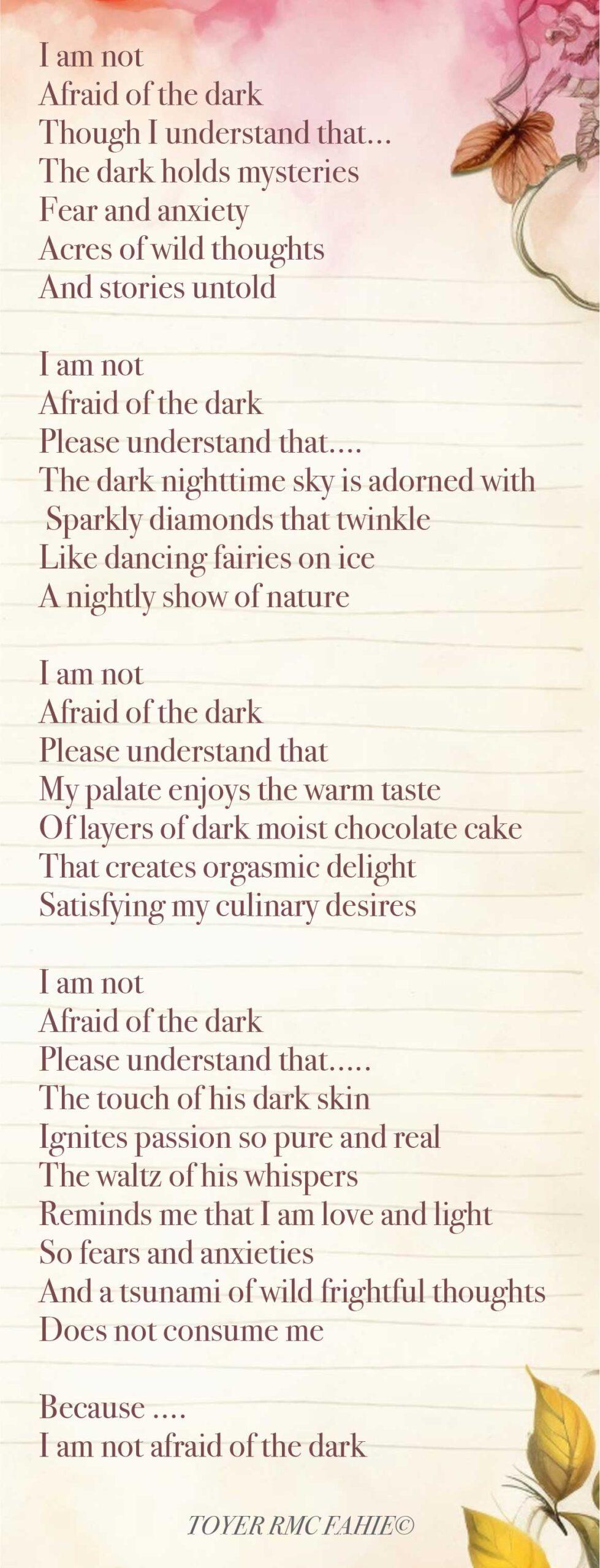


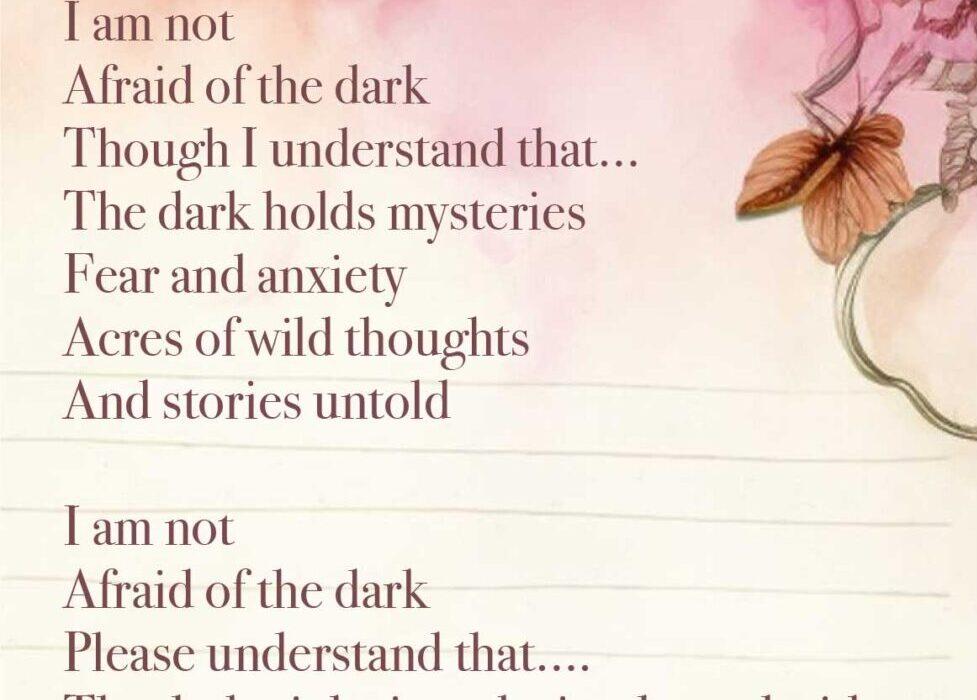
Poetry is one of humanity’s oldest and most luminous arts — a flame passed down through centuries, flickering in countless tongues. From the ritual chants of our ancestors to the whispers of modern verse, it has carried the pulse of human feeling, the ache of memory, the shimmer of dream. Poetry does not merely speak; it sings. It crosses the boundaries of language and time, letting one soul touch another through the delicate alchemy of words.
At its core, poetry is the art of compression — a universe folded into a handful of syllables. It distils emotion until it becomes essence, until rhythm, sound, and silence blend into something more than meaning. Where prose explains, poetry awakens. It does not tell us what to see; it opens our eyes. A sonnet’s steady heartbeat, a haiku’s quiet breath — each form teaches us how beauty can live in restraint, how truth can bloom in brevity.
The poet works with language the way a sculptor works with stone, chipping away until only the necessary remains. Every word is chosen, every pause deliberate. In poetry, the unsaid is as powerful as the spoken. Through image and metaphor, poets uncover what ordinary speech conceals. Emily Dickinson turned dashes into breaths between thought and silence; Langston Hughes gave rhythm to struggle and hope, his lines echoing like jazz through the soul. Each poet, in their own way, transforms language into a mirror where the human spirit sees itself.
Poetry is born of feeling — of love and loss, wonder and despair, longing and grace. Yet it is not merely emotion poured onto the page; it is emotion shaped, refined by imagination and craft. A poem gathers the chaos of the heart and turns it toward form. Through its music, we are reminded that what is fleeting can still be eternal, that even pain can be made beautiful when held in language.
And still, poetry changes. In our digital age, verses live not only on the printed page but on glowing screens and open stages. Spoken word poets fill rooms with fire; a few lines on social media can move millions. The form shifts, but the spirit endures — the same impulse to connect, to name what cannot be named, to speak into the vastness and be heard.
Poetry asks us to slow down. It teaches us to listen — to the cadence of thought, the rustle of memory, the quiet between words. In a world that moves too fast, a poem is an act of resistance, a moment of stillness. It reminds us that attention is a form of love, and that meaning often hides in the smallest spaces — a turn of phrase, a pause, a single image that lingers like a breath.
This is the true art of poetry: to live in the tension between sound and silence, between heart and mind. It is a way of listening to the world and to ourselves, of shaping the invisible into song. To read or write a poem is to stand at the edge of the ordinary and look beyond — to glimpse, for a heartbeat, the infinite.